

Five Books Every Entrepreneur Should Read to Build a Sharper Mind, Stronger Strategy, and a More Resilient Company
Entrepreneurs often talk about the early days of their companies as if they were describing a long road trip taken with too little sleep and too much caffeine. There is a sense of motion, of improvisation, of trying to read the map while the car is already moving. What separates the founders who eventually find their rhythm from those who burn out is rarely luck. More often, it is the quality of the ideas they absorb and the frameworks they rely on when the noise gets loud.
Books have always been the most reliable way to borrow someone else’s experience. Not the polished version you hear in interviews, but the raw thinking that shaped their decisions. The five books below have become staples among founders for a reason. Each one offers a different lens on how to build, lead, and endure. Read together, they form a kind of entrepreneurial operating system, one that sharpens judgment and strengthens the instincts that matter most.
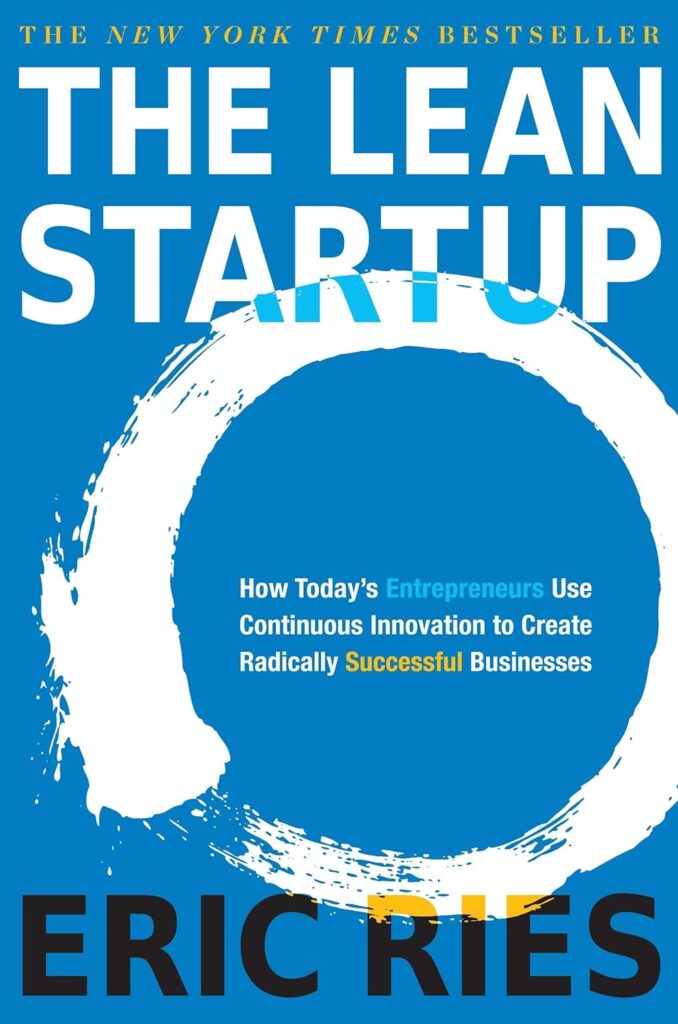
The Lean Startup by Eric Ries: A Blueprint for Reducing Waste and Increasing Learning
There is a moment in every new venture when enthusiasm collides with reality. The idea that felt so clear in your head suddenly becomes tangled once you try to build it. Eric Ries wrote The Lean Startup to help founders navigate that moment with discipline rather than panic. His core argument is simple: most startups fail not because the idea is bad, but because the team spends too long building something no one actually wants.
Ries introduces the concept of the Minimum Viable Product, a term that has since become part of the entrepreneurial vocabulary. The MVP is not a half‑finished product. It is a focused experiment designed to test a specific assumption. Ries pushes founders to treat their companies as learning engines, where progress is measured not by features shipped but by validated insights. This shift in mindset can feel uncomfortable at first, especially for founders who equate speed with success. Yet it is precisely this discipline that prevents teams from drifting into months of untested work.
The book’s most enduring contribution is its insistence on continuous measurement. Ries encourages entrepreneurs to build feedback loops that reveal whether customers are behaving the way the team expects. When the data contradicts the vision, the founder must decide whether to persevere or pivot. That decision is never easy, but Ries gives readers a framework for making it with clarity rather than emotion.
Get it now at Amazon | Get the audiobook at Audible
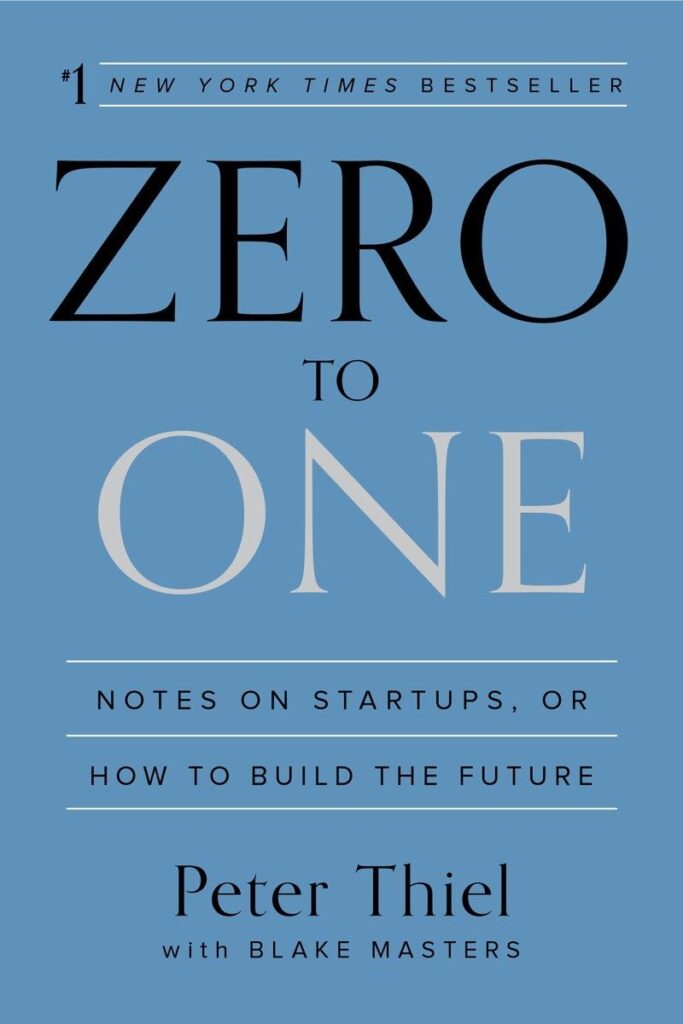
Zero to One by Peter Thiel: A Call to Build Something That Has Never Existed
Where The Lean Startup teaches founders how to learn, Zero to One challenges them to think more boldly about what they are trying to create. Peter Thiel argues that the most valuable companies are the ones that move the world from zero to one, meaning they create something fundamentally new rather than competing in a crowded market.
Thiel’s writing is direct, sometimes confrontational, and always rooted in the belief that progress is not inevitable. It requires people who are willing to question assumptions and pursue ideas that others dismiss as unrealistic. He pushes founders to ask themselves a deceptively simple question: What valuable company is no one building?
The book also explores the importance of long‑term thinking. Thiel believes that great companies are built on secrets, insights about the world that others have overlooked. These secrets become the foundation for durable advantages that competitors cannot easily replicate. For founders who feel pressured to chase trends, Thiel’s perspective can be a grounding force.
Get it now at Amazon | Get the audiobook at Audible
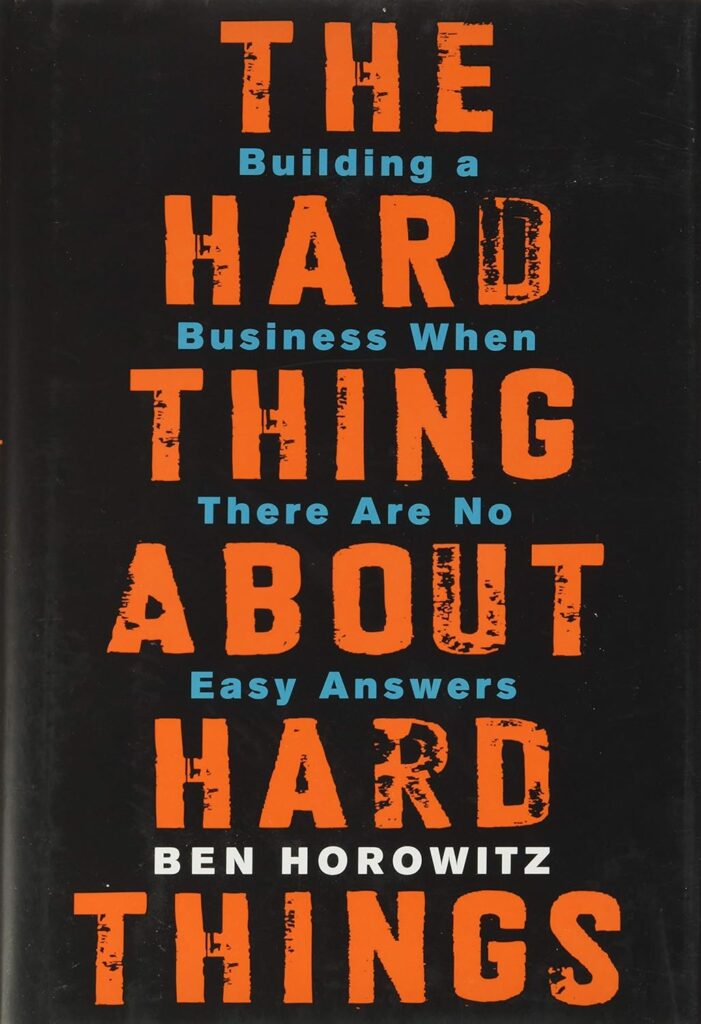
The Hard Thing About Hard Things by Ben Horowitz: A Realistic Look at Leadership Under Pressure
Most business books offer advice that sounds good in theory but falls apart the moment real chaos hits. Ben Horowitz wrote The Hard Thing About Hard Things to address the gap between theory and reality. His stories come from the trenches of running a company during the dot‑com crash, where every decision felt like a test of endurance.
Horowitz does not romanticize leadership. He describes the emotional weight of laying off employees, the fear of running out of cash, and the loneliness that comes with being the final decision maker. What makes the book so valuable is its honesty. Horowitz does not pretend that there is a perfect way to lead. Instead, he offers principles that help founders stay grounded when everything feels unstable.
One of the book’s most powerful ideas is the distinction between the “wartime CEO” and the “peacetime CEO.” Horowitz argues that different moments require different styles of leadership. During calm periods, leaders can focus on culture, process, and long‑term planning. During crises, they must act decisively and accept that not every decision will be elegant. This framework resonates with founders who have lived through both extremes.
Get it now at Amazon | Get the audiobook at Audible
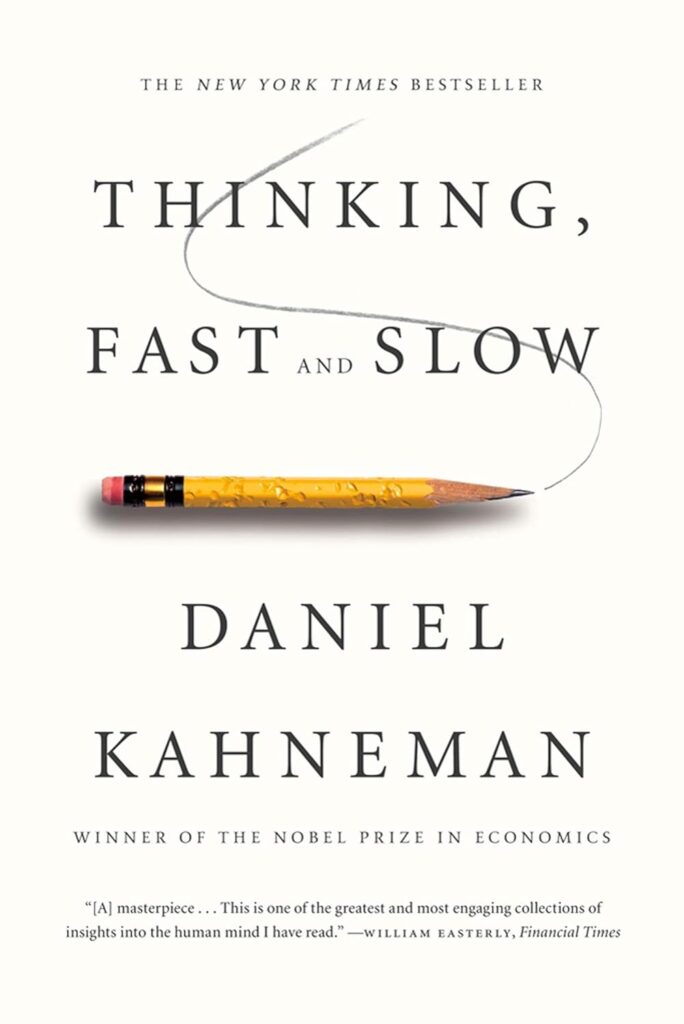
Thinking, Fast and Slow by Daniel Kahneman: Understanding How Your Mind Shapes Your Decisions
Entrepreneurship is a series of decisions made under uncertainty. Some are strategic, others instinctive, and many are influenced by cognitive biases that operate beneath the surface. Daniel Kahneman’s Thinking, Fast and Slow is not a business book in the traditional sense, but it has become essential reading for founders who want to understand how their minds work.
Kahneman explains the two systems that drive human thinking. System 1 is fast, intuitive, and emotional. System 2 is slower, more deliberate, and analytical. Both systems are necessary, but each comes with blind spots. Entrepreneurs who rely too heavily on instinct may overlook critical data. Those who overanalyze may miss opportunities that require quick action.
The book’s value lies in its ability to make readers more aware of their own mental shortcuts. Kahneman describes biases such as loss aversion, anchoring, and overconfidence, all of which can distort judgment. For founders making decisions about hiring, pricing, fundraising, or product strategy, these insights can be transformative.
Get it now at Amazon | Get the audiobook at Audible
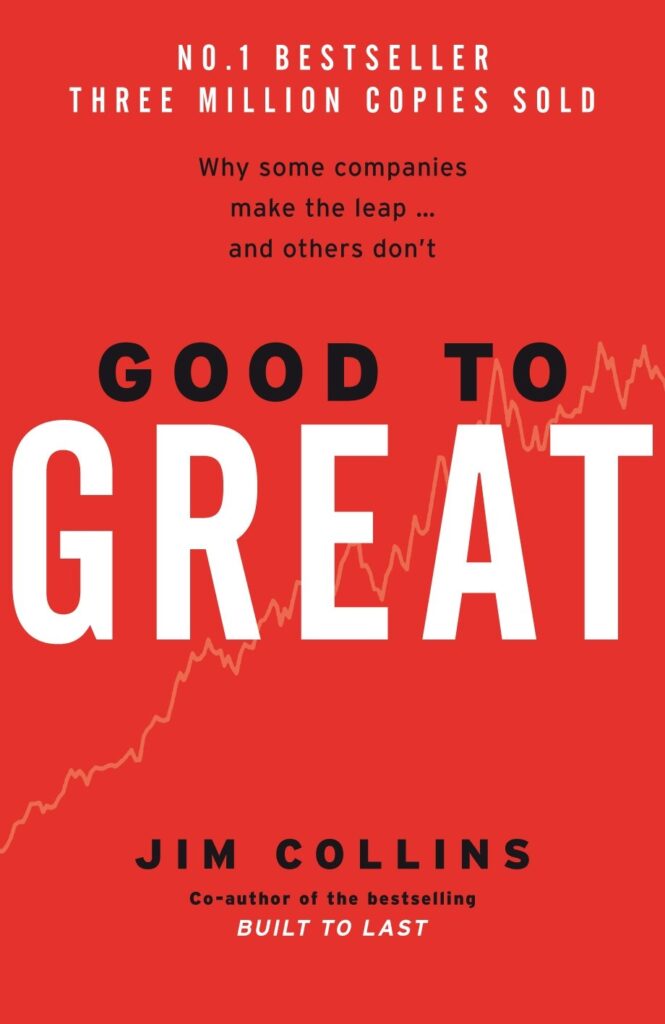
Good to Great by Jim Collins: Why Some Companies Break Through and Others Don’t
Jim Collins spent years studying companies that achieved sustained success and comparing them to similar companies that did not. The result is Good to Great, a book that has influenced leaders across industries. Collins is not interested in quick wins. He wants to understand what makes companies endure.
One of the book’s most memorable ideas is the concept of Level 5 Leadership. Collins describes leaders who combine humility with fierce resolve. They are not charismatic visionaries who dominate the spotlight. They are disciplined thinkers who build organizations that outlast them. This idea challenges the myth of the heroic founder and replaces it with a more grounded model of leadership.
Collins also introduces the Hedgehog Concept, which helps companies identify the intersection of what they can be the best at, what drives their economic engine, and what they are deeply passionate about. This framework has become a staple in strategic planning sessions because it forces teams to confront what truly matters.
Get it now at Amazon | Get the audiobook at Audible
Why These Five Books Matter Together
Each of these books offers something different. Ries teaches you how to learn. Thiel pushes you to think boldly. Horowitz prepares you for the emotional realities of leadership. Kahneman helps you understand your own mind. Collins shows you how to build something that lasts.
Read together, they form a kind of entrepreneurial compass. They sharpen your instincts, broaden your perspective, and give you the tools to navigate uncertainty with more confidence. Entrepreneurship will always involve risk, but the right ideas can make the journey far more intentional.
*Please note that some links on this site may contain affiliate links to products or services. We may receive a small commission, at no extra cost to you, for purchases made through these links, which helps support this site.